GS1 AI 01 (GTIN) Technical White Paper: Core Standard and Implementation Guide for Global Trade Item Identification

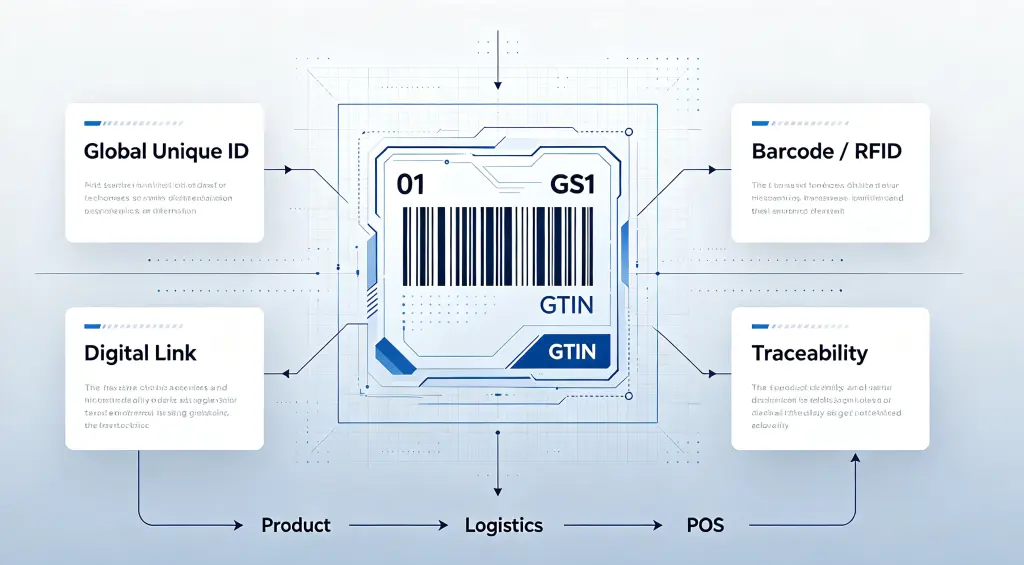
In the global supply chain system, unified identification of trade items is the foundation for automated checkout, inventory management and end-to-end traceability. As a core component of the GS1 global identification system, the Global Trade Item Number (GTIN), carried by GS1 Application Identifier (AI) 01, is currently the most widely adopted product identification standard worldwide.


GS1 AI 01 (GTIN) Technical White Paper: Core Standard and Implementation Guide for Global Trade Item Identification Read More »

GS1 AI 00 (SSCC) Specifications and Applications: The Core Standard for Logistics-Unit-Level Supply Chain Traceability

Accurate identification and tracking of logistics units underpin the efficient operation of warehousing, transportation and last-mile delivery across the supply chain. For a long time, inconsistent logistics coding rules across enterprises and regions have made cross-party handover rely on manual document checking and repeated data entry, dragging down efficiency and introducing errors. As the core

GS1 AI 00 (SSCC) Specifications and Applications: The Core Standard for Logistics-Unit-Level Supply Chain Traceability Read More »

GS1 AI 8010 (CPID) Deep Dive: Standard Specifications and Industry Practices for Component-Level Supply Chain Identification

In today’s globalized, multi-tier supply chain system, finished products are often assembled from hundreds or even thousands of components and parts. For a long time, however, component identification has suffered from inconsistent coding rules, cross-enterprise recognition difficulties, and broken traceability chains — all of which directly undermine the efficiency and accuracy of product recalls, after-sales

GS1 AI 8010 (CPID) Deep Dive: Standard Specifications and Industry Practices for Component-Level Supply Chain Identification Read More »

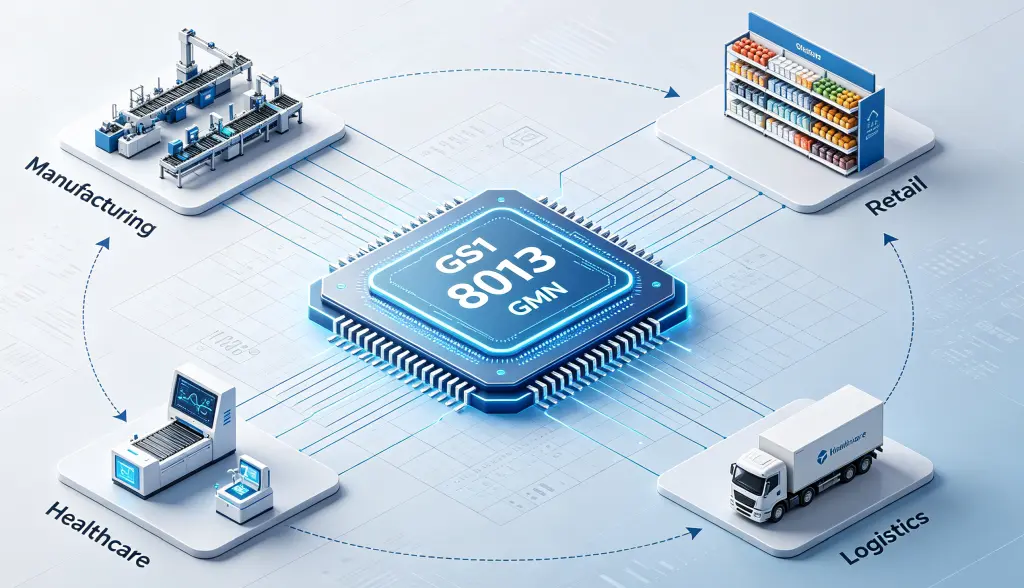
GS1 AI 8013 (Global Model Number, GMN) Deep Dive: Technical Specifications and Industry Applications

Within the GS1 global identification system, the Global Trade Item Number (GTIN) solves the identity recognition problem for individual items and trade units. However, for cross-enterprise unified identification and full-lifecycle management at the product model level, a dedicated standardized coding framework is required. GS1 Application Identifier (AI) 8013, corresponding to the Global Model Number (GMN),

GS1 AI 8013 (Global Model Number, GMN) Deep Dive: Technical Specifications and Industry Applications Read More »

GS1 AI 8017 (GSRN Provider) Explained: The Core Identifier for Standardizing Global Service Relationships

Within the GS1 global identification system, while the widely known GTIN (Global Trade Item Number) is used for physical goods identification, GS1 has also established a dedicated Global Service Relation Number (GSRN) framework for service supply chain relationship management. As the core identifier for service provider relationships within the GSRN system, GS1 Application Identifier (AI)

GS1 AI 8017 (GSRN Provider) Explained: The Core Identifier for Standardizing Global Service Relationships Read More »

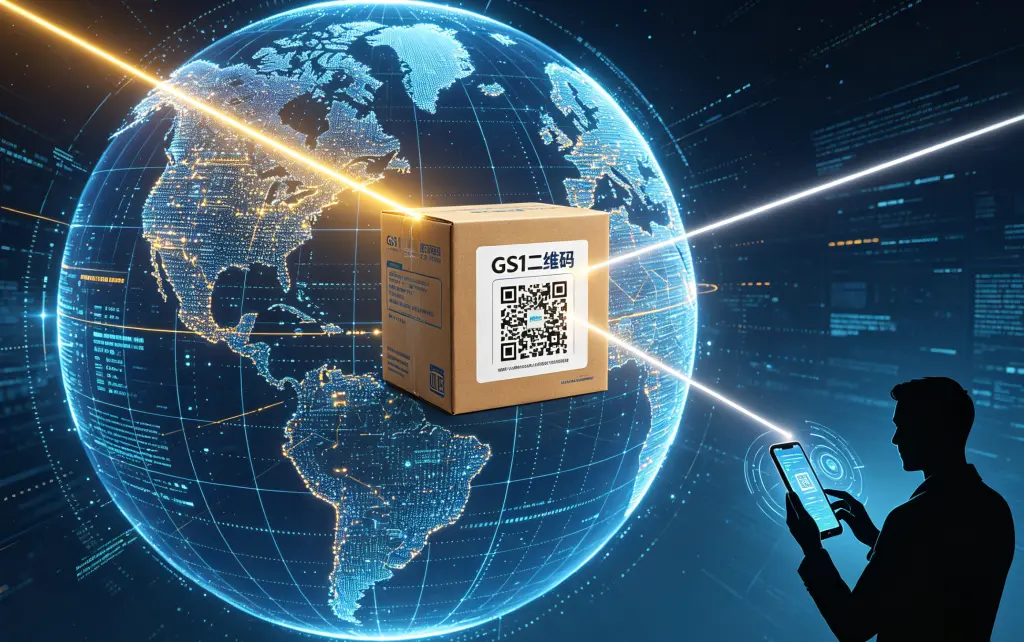
A Brand Owner’s Guide to Unified Consumer Engagement & Supply Chain Efficiency

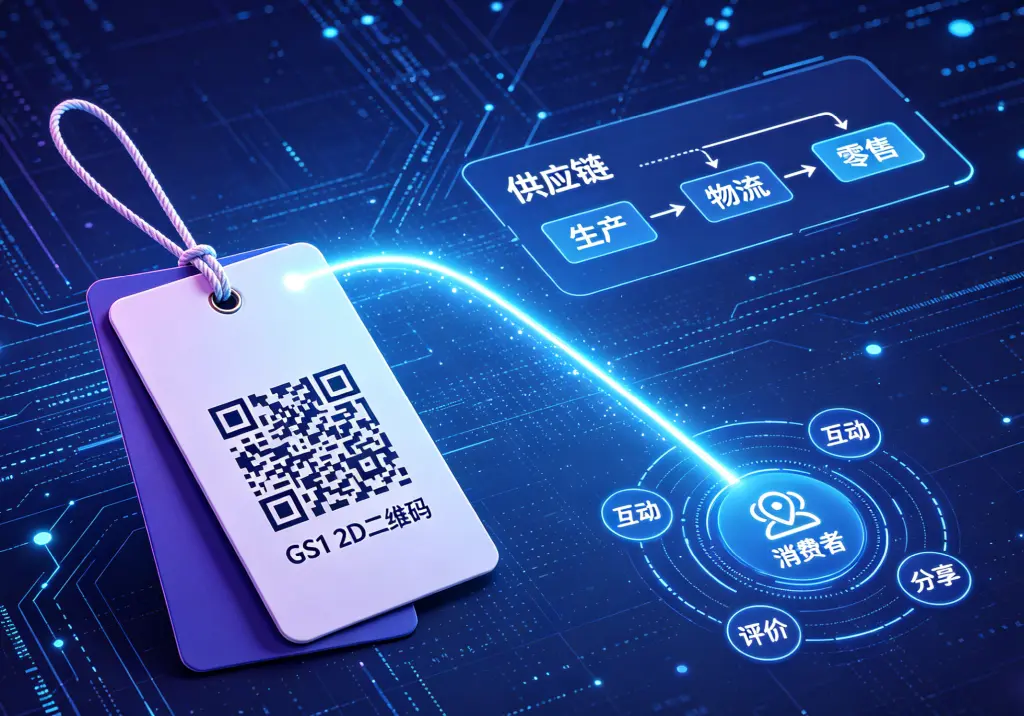
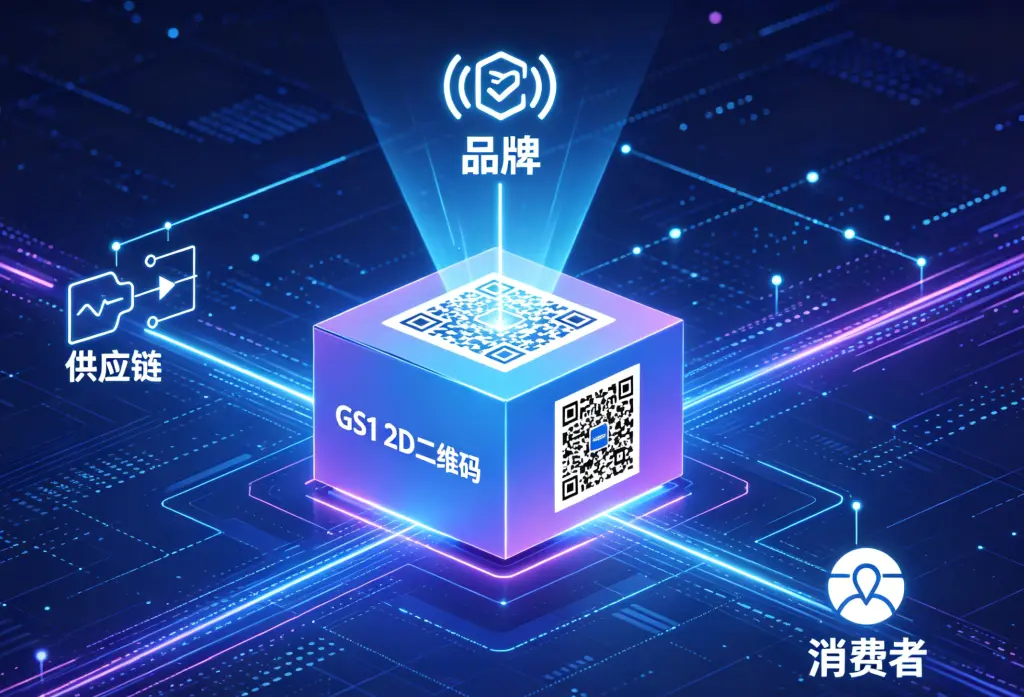
Today, more and more consumers scan product barcodes with their smartphones to learn about ingredients, usage instructions or promotional offers. However, most existing product QR codes use proprietary URI encoding formats that only support a single, fixed experience. Brands often have to print multiple barcodes on packaging to serve checkout, traceability and marketing purposes separately,

A Brand Owner’s Guide to Unified Consumer Engagement & Supply Chain Efficiency Read More »

2D Barcodes for Apparel & General Merchandise: Unlocking Supply Chain & Consumer Value for Sunrise 2027

As the industry-wide “Sunrise 2027” initiative — the transition to 2D barcode acceptance at retail point-of-sale — moves toward full implementation, the apparel and general merchandise sector is undergoing a systematic upgrade to its identification infrastructure. Traditional 1D UPC barcodes, which only carry a single Global Trade Item Number (GTIN), can no longer meet the

2D Barcodes for Apparel & General Merchandise: Unlocking Supply Chain & Consumer Value for Sunrise 2027 Read More »

Getting Started with 2D Barcodes: A Guide for Brand Owners

With the industry-wide “Sunrise 2027” initiative — the transition to 2D barcode acceptance at retail point-of-sale — approaching, 2D barcodes have become a standardized solution for brands to meet both supply chain operational needs and evolving consumer expectations. GS1 US has published this step-by-step guide to help brands navigate the barcode upgrade, from selection and

Getting Started with 2D Barcodes: A Guide for Brand Owners Read More »

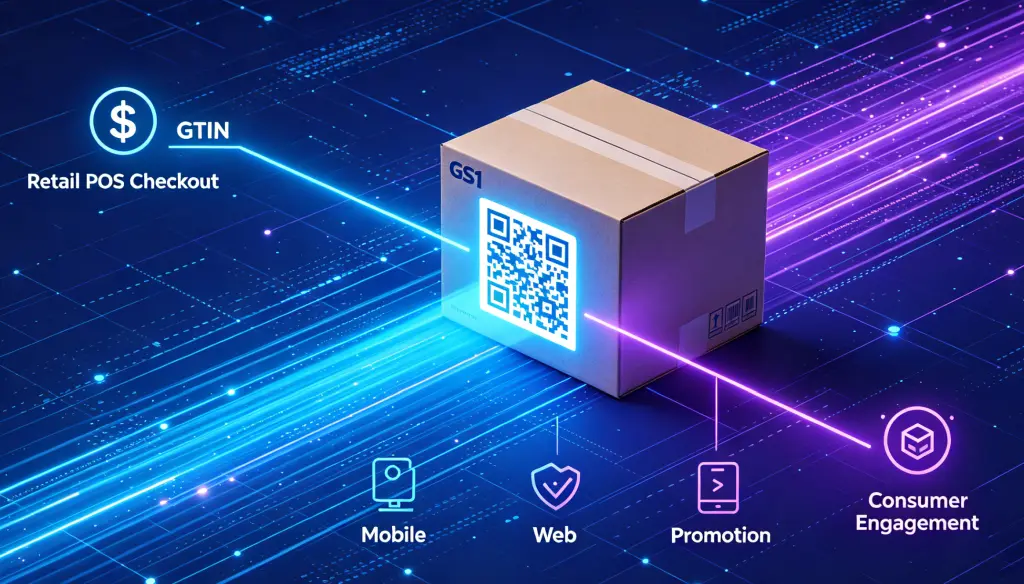
Application of GS1 Digital Link in Retail: From Barcodes to End-to-End Digital Infrastructure

GS1 Digital Link is not merely a “QR code with a link” — it is a standardized URI protocol built on the GS1 global identification system, serving as the core infrastructure connecting physical goods to the digital world in retail. Centered on GTIN (Global Trade Item Number), it upgrades traditional 1D barcodes into a “one

Application of GS1 Digital Link in Retail: From Barcodes to End-to-End Digital Infrastructure Read More »