Chaofeng Han

Chaofeng works at SmartOneLink with seven years of working experience in GS1 identification‑related technologies. He is mainly responsible for the implementation of GS1 Digital Link, barcode systems and supply‑chain event solutions, serving clients in manufacturing, FMCG and pharmaceutical sectors. Familiar with GS1 vocabulary and EPCIS data specifications, he helps enterprises build product digital passports, connects one‑item‑one‑code with supply‑chain data, and provides customers with standards consultation, solution design and go‑live support.

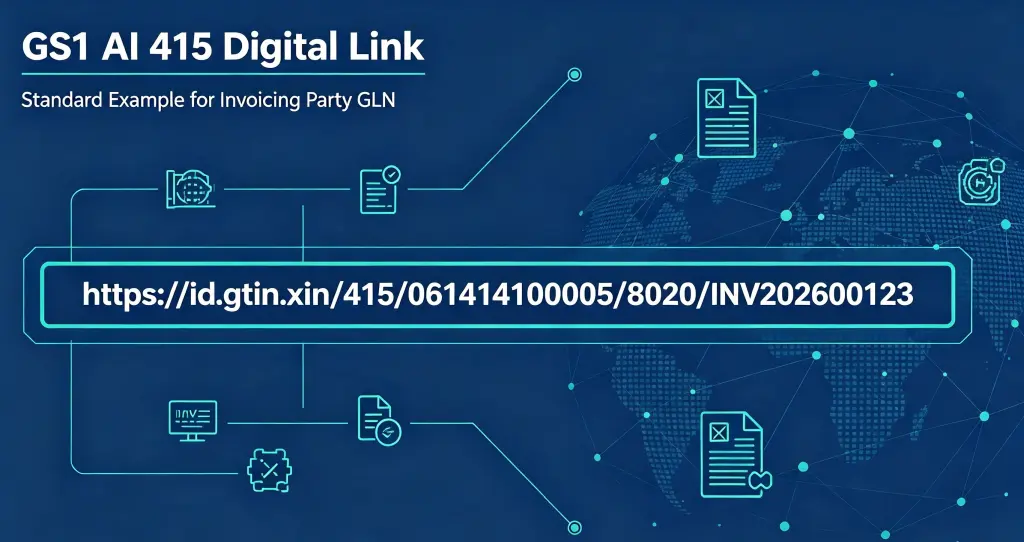
GS1 AI 415 Invoicing Party Global Location Number (GLN) Digital Link Compliance Implementation Guide

Preface This document is compiled in accordance with official GS1 General Specifications, AI 415 standards and GS1 Digital Link V1.4 syntax rules. Targeted at supply chain finance practitioners, barcode implementation engineers and digital traceability specialists, it fully introduces standardized construction methods, coding rules, system invocation protocols and multi-industry implementation solutions for Digital Links carrying AI


GS1 AI 415 Invoicing Party Global Location Number (GLN) Digital Link Compliance Implementation Guide Read More »

GS1 AI 8003 Global Returnable Asset Identifier (GRAI) Technical Analysis White Paper

1. Standard Definition and Coding Specification 1.1 Official Position and Functional Description The Global Returnable Asset Identifier (GRAI) is the core identification standard for recyclable assets in the GS1 global unified identification system, corresponding to GS1 Application Identifier (AI) 8003. An Application Identifier is a numeric prefix in the GS1 system that defines the meaning,

GS1 AI 8003 Global Returnable Asset Identifier (GRAI) Technical Analysis White Paper Read More »

Key Differences Between GS1 AI 414 and AI 417

According to official GS1 standards, although both Application Identifiers use the 13-digit GLN (Global Location Number), their purposes and semantics are completely different: AI 414: Physical Location Definition: Identifies a physical location – Global Location Number (GLN). Core Purpose: Technical Parameters: Application Scenario Examples: 👤 AI 417: Party Identification (Party GLN) Definition: Party Global Location

Key Differences Between GS1 AI 414 and AI 417 Read More »

GS1 AI 255 (GCN) Technical White Paper: Global Coupon Number Standard and Digital Marketing Practices

In the global retail and fast-moving consumer goods industry, coupons are a core marketing tool to drive sales and boost customer repurchase rates. However, the long-standing lack of unified coupon coding rules has led to cross-platform redemption difficulties, high fraud risks and fragmented data. As a dedicated standard of the GS1 global identification system for

GS1 AI 255 (GCN) Technical White Paper: Global Coupon Number Standard and Digital Marketing Practices Read More »

GS1 AI 253 (GDTI) Technical White Paper: Standard Specifications and Digital Practices for Global Document Type Identifier

In the global supply chain system, trade documents, compliance certificates and technical reports are core carriers of business circulation and compliance governance. For a long time, the lack of globally unified standards for document identification has made cross-enterprise and cross-system document verification rely on manual checking, resulting in low efficiency, high error rates and traceability

GS1 AI 253 (GDTI) Technical White Paper: Standard Specifications and Digital Practices for Global Document Type Identifier Read More »

GS1 AI 8010 (CPID) Deep Dive: Standard Specifications and Industry Practices for Component-Level Supply Chain Identification

In today’s globalized, multi-tier supply chain system, finished products are often assembled from hundreds or even thousands of components and parts. For a long time, however, component identification has suffered from inconsistent coding rules, cross-enterprise recognition difficulties, and broken traceability chains — all of which directly undermine the efficiency and accuracy of product recalls, after-sales

GS1 AI 8010 (CPID) Deep Dive: Standard Specifications and Industry Practices for Component-Level Supply Chain Identification Read More »

A Brand Owner’s Guide to Unified Consumer Engagement & Supply Chain Efficiency

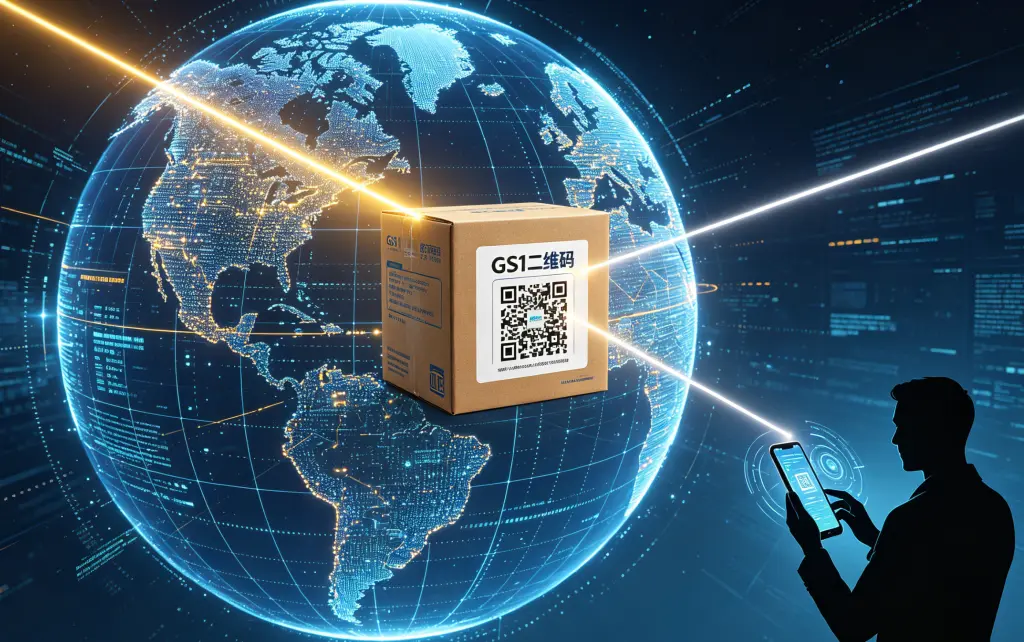
Today, more and more consumers scan product barcodes with their smartphones to learn about ingredients, usage instructions or promotional offers. However, most existing product QR codes use proprietary URI encoding formats that only support a single, fixed experience. Brands often have to print multiple barcodes on packaging to serve checkout, traceability and marketing purposes separately,

A Brand Owner’s Guide to Unified Consumer Engagement & Supply Chain Efficiency Read More »