Unlock the Full Value of 2D Barcodes
Get Ready for Sunrise 2027
Register for Monthly Webinars | Access Resource Hub
Are You Ready to Build a Safer, Smarter Retail Ecosystem?
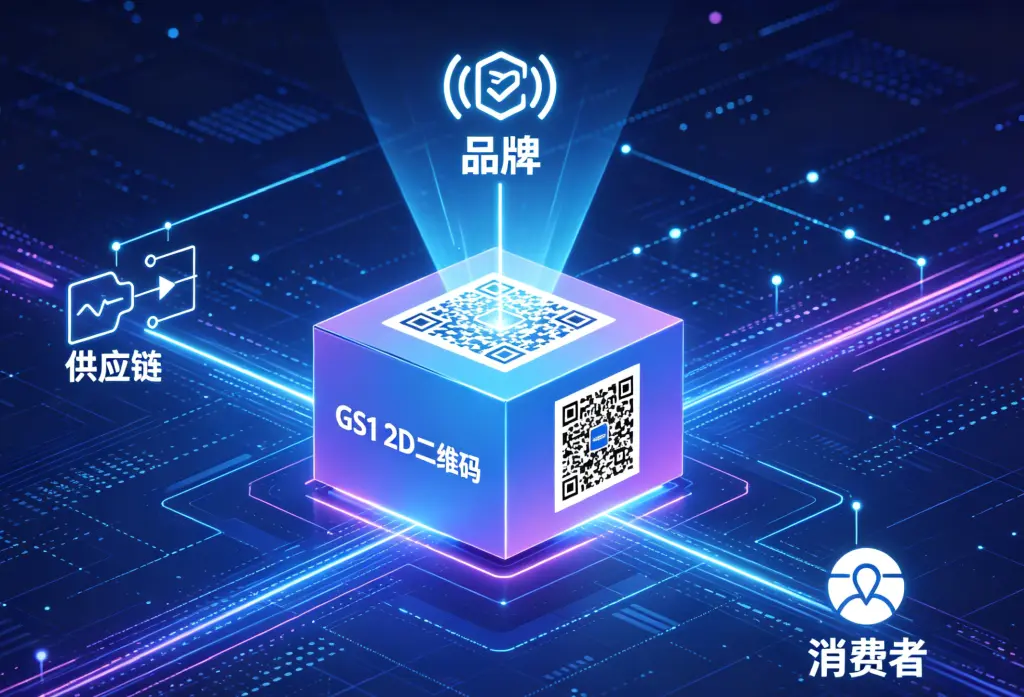
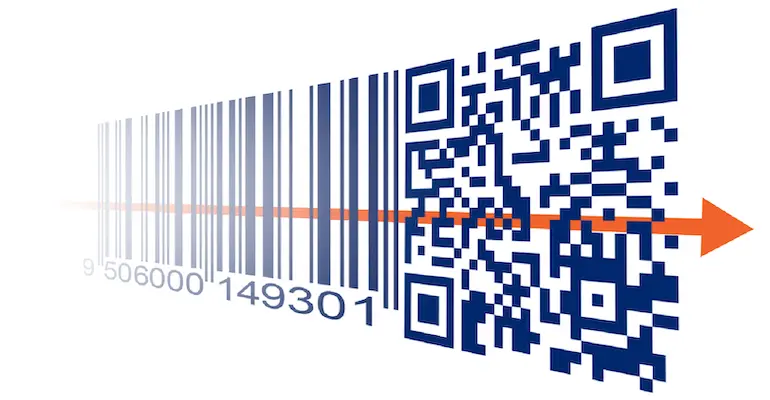
Sunrise 2027 marks a pivotal industry transition: the global shift from linear UPC barcodes to 2D symbologies such as QR codes. 2D barcodes deliver enhanced end-to-end supply chain visibility, full traceability, and capacity to carry comprehensive product data.
This initiative supports retailers in upgrading point-of-sale (POS) systems to read and interpret next-generation high-capacity barcodes, while enabling brands to share rich product information directly with consumers.
2D Barcodes: Deepen Consumer Engagement
Data Source: 2025 GS1 US Consumer Research
- 79% of consumers are more inclined to purchase products packaged with smartphone-scannable QR codes that deliver extra product details;
- 77% of consumers identify product details as a critical factor shaping purchasing decisions;
- 62% of consumers are willing to pay a price premium for goods with complete product disclosures.
The 2D Barcode Transformation Journey: Core Logic of Intelligent Symbologies
Barcode technology is undergoing a generational upgrade, with Sunrise 2027 standing as the landmark milestone of this transformation.
Industry specialists from GS1 US break down transformation frameworks, industry benefits, and enterprise implementation roadmaps in complimentary monthly webinars. Attendees gain end-to-end frameworks to craft seamless consumer journeys, streamline supply chain operations, and deploy standardized 2D barcode architectures.
👉 Webinar Registration Portal
Three-Stage Phased Rollout Framework (Crawl-Walk-Run Model)
Sunrise 2027 serves as a core transition checkpoint, and enterprises are not required to deploy all 2D barcode functionalities by 2027. Early adoption unlocks first-mover advantages and creates incremental value for both customers and operators. Rollout proceeds in three gradual phases:
Phase 1: Crawl Stage (Basic Compatibility)
Brands: Integrate 2D barcodes onto existing product packaging; migrate legacy QR codes to GS1 Digital Link standards embedded with Global Trade Item Numbers (GTINs).
Retailers: Procure optical scanning hardware compliant with the 2027 standard, enabling POS terminals to decode 2D barcodes and extract GTIN identifiers.
Phase 2: Walk Stage (Expanded Data Capacity)
Brands: Enhance packaging 2D barcodes with extended datasets including item specifications, production batch codes, and shelf-life dates to support cross-functional internal business administration.
Retailers: Roll out 2D barcodes across all private-label merchandise lines.
Phase 3: Run Stage (Maximize Commercial Value)
Brands: Leverage the full capabilities of 2D barcodes to build deep consumer engagement ecosystems.
Retailers: Optimize internal workflows via 2D barcodes, covering food safety compliance, end-to-end traceability, and granular inventory management.
Statement from Jon R. Moeller, Chairman, President and Chief Executive Officer of Procter & Gamble
Consumers demand comprehensive product transparency, regulators continue tightening disclosure mandates, and supply chains require robust tools for product recall and traceability. GS1-compliant 2D barcodes resolve all these pain points: a single symbology delivers full consumer-facing data, cross-chain traceability, and rapid POS checkout scanning capabilities simultaneously.
Central Resource Library
GS1 US maintains a complete repository of 2D barcode implementation materials for brands, retailers, and technology solution providers. Click here to connect with industry specialists for customized implementation roadmaps.
Resource Categories
- Brand-Specific Materials
- Brand Implementation Starter Guide: Step-by-step frameworks for enterprises adapting product packaging to 2D barcode specifications
- Apparel & General Merchandise 2D Barcode Implementation Handbook: Standard definitions, use cases, and deployment specifications
- QR Code Development Best Practices Manual: Guidance for migrating traditional QR codes to POS-compatible global standards bound to GTIN identifiers embedded within EAN/UPC symbologies
- Industry Research Reports
- Empowering the Future of Retail: Joint research published by GS1 US and VDC Research covering enterprise system upgrade roadmaps, standardized data carrier deployment, and long-term industry trends
- Optimizing Warehouse Operations via 2D Data Carriers: Analysis of how global standardized digital data capture through 2D barcodes reshapes logistics operations across all verticals
- Audio & Video Educational Content
- Podcast Mastering 2D Barcodes with Gina Morgan: Standardization experts outline key distinctions between linear and 2D symbologies (QR Codes, GS1 Data Matrix), highlighting the high data density and compact form factor of 2D formats
- Webinar Practical 2D Barcode Implementation for Brands & Retailers: GS1 members and industry specialists walk through the full migration workflow from UPC linear barcodes to 2D symbologies
- Case Study Video Elevating Customer Experiences with 2D Barcodes at Wegmans Supermarkets: Industry case study detailing supermarket deployment of 2D barcodes for product information delivery and fortified food safety traceability frameworks
- Retailer-Specific Materials
- Retailer Implementation Starter Guide: Sequential guidance for organizational restructuring and POS scanning system overhauls to support 2D barcode decoding at checkout
- Retail POS System Implementation Specifications: Defined technical requirements for checkout terminals, product manufacturing workflows, GTIN integration, GS1 Application Identifiers, GS1 Data Matrix, GS1 Digital Link QR/Data Matrix codes, and linear barcode deployment
- Retail 2D Barcode Validation Suite: Library of GS1-compliant reference 2D barcodes to audit scanning hardware performance and cross-system data exchange interoperability
- 2D Barcode Deployment Roadmap Infographic: Breakdown of required datasets embedded on packaging symbologies across in-store touchpoints to prepare organizations for Sunrise 2027
- Resources for Technology Solution Providers
- Solution Provider Implementation Starter Guide: Technical handbook outlining compliance thresholds for 2D barcode deployment projects
- Webpage Linear vs. 2D Barcode Core Differences: Comparative analysis of data storage capacity, core functionalities, and applicable deployment scenarios for each symbology type
- Digital Link Developer Tutorials: Video and hands-on documentation explaining how GS1 Digital Link binds unique product identifiers to real-time brand-managed online information endpoints
- Tools & Compliance Lookup Pages
- Sunrise 2027 Qualified Implementation Vendor Directory: Filterable roster of certified partners offering end-to-end POS hardware and GS1 Digital Link integration tooling
- POS 2D Barcode Compliance Checklist: Real-time inventory of mainstream scanning hardware manufacturers and their respective 2D symbology compatibility status
- Microlearning Courses
2D Barcode Fundamentals & Hands-On Deployment Training: Curriculum covering core definitions, defining characteristics, comparative analysis with linear barcodes, and cross-supply chain real-world application scenarios - GS1 Digital Link Implementation Handbook
Digital Link transforms physical barcodes into navigable web addresses tied to unique product identities that redirect users to dedicated online information hubs, with complete standardized deployment specifications included.

1. Core Definition: What Is Sunrise 2027
Positioning
Sunrise 2027 is not a government-mandated regulation, but an industry-wide unified transformation commitment jointly launched by GS1 global standards body alongside leading global retail and CPG conglomerates, with the end of 2027 serving as the core transition checkpoint. By this deadline, all retail point-of-sale systems worldwide must possess full capability to identify and parse GS1-compliant 2D symbologies (QR Codes, Data Matrix Codes). Linear UPC barcodes remain fully functional throughout the transition period under a dual-symbology coexistence framework.
Since the first UPC linear barcode was deployed in supermarkets in 1974, this initiative represents the largest unified overhaul of retail product identification infrastructure in history. Pilot deployments have rolled out across 48 countries covering markets contributing 88.5% of global GDP, with thousands of manufacturers and retail operators within Zhejiang’s Chinese food industry completing transformation and onboarding.
Underlying Transformation Drivers
Traditional single-purpose UPC linear barcodes only store isolated GTIN product identifiers, limited to basic checkout pricing functions, and fail to address three critical industry imperatives emerging today:
- Consumer Expectations: End-users demand traceability data, ingredient lists, sustainability credentials, promotional offers, and usage guidelines in comprehensive digital formats; research confirms over 60% of shoppers accept price markups for fully transparent product disclosures.
- Regulatory Compliance Mandates: Global food, personal care, and apparel legislation continuously escalate requirements for product disclosure, batch recall, and full traceability, exceeding the limited data storage capacity of linear barcodes.
- Supply Chain Operational Needs: Enterprises require embedded batch codes, shelf-life timelines, origin metadata, and channel attribution to enable digitalized end-to-end oversight of inventory, product recalls, and logistics workflows.
GS1-compliant 2D barcodes resolve these bottlenecks through a single symbology that simultaneously hosts POS recognition identifiers, multi-dimensional dynamic operational datasets, and navigable GS1 Digital Link web addresses, with universal compatibility for both consumer smartphone scanning and retail checkout hardware.
2. Consumer-Side Commercial Value Analysis of Survey Data
Three core research datasets featured on the official page quantify tangible commercial benefits unlocked via 2D barcode adoption:
- 79% of consumers actively prioritize goods printed with information-enabled QR codes: Shoppers independently access complete digital product archives via mobile scanning without relying on condensed physical packaging text.
- 77% of consumers rank product transparency as a core purchasing decision driver: Modern shoppers prioritize ingredient safety, traceability records, and certification credentials, with 2D barcodes acting as a low-cost scalable medium for transparent data delivery.
- 62% of consumers accept premium pricing for transparent, data-rich merchandise: 2D barcodes directly boost product differentiation and average transaction values for brand operators.
Brands eliminate reliance on extensive printed physical inserts by leveraging GS1 Digital Link architecture to redirect consumers to real-time hosted digital content hosted on brand-owned web assets. Formulation revisions, batch recall notices, and sustainability updates can be modified remotely without costly packaging reprint cycles, drastically cutting packaging manufacturing overheads.
3. Three-Stage Phased Deployment Strategy (Crawl-Walk-Run Model)
This tiered rollout framework was engineered by GS1 to lower transformation barriers and eliminate mandatory large-scale capital outlays for enterprises of all sizes, with flexible pathways suited for small independent brands and multinational retail conglomerates alike.
Phase 1: Crawl Stage – Low-Cost Foundational Upgrades (Immediate Launch Eligibility)
- Brands: Add standardized GS1 QR codes directly to current packaging stock, embedding only base GTIN identifiers while retaining legacy UPC linear barcodes to operate under dual-symbology parallel workflows.
- Retailers: Deploy compatible 2D-capable checkout scanning hardware to achieve baseline decoding functionality without back-end core system overhauls, minimizing upfront capital expenditure.
This phase serves as a low-risk pilot framework for small and medium operators with no disruptive production line or core IT system overhauls required.
Phase 2: Walk Stage – Data-Driven Operational Digitization
- Brands: Embed extended operational metadata within 2D barcodes including batch numbers and shelf-life metrics to streamline internal warehouse administration and expiration date governance; prioritize full 2D rollout for all private-label SKUs.
- Retailers: Complete full 2D symbology integration across private-label merchandise and build standardized centralized digital product master data repositories.
This stage targets mid-to-large scale organizations seeking foundational digitalization of supply chain management workflows.
Phase 3: Run Stage – Full Monetization of Digital Symbology Value
- Brands: Deploy GS1 Digital Link infrastructure to power direct consumer lifecycle engagement, including promotional redemptions, membership account linking, end-to-end product traceability, and post-purchase customer feedback channels to establish owned direct-to-consumer touchpoints.
- Retailers: Digitize end-to-end operational workflows powered by 2D barcodes, enabling rapid food safety recall execution, automated cycle counting inventory audits, and cross-location traceability workflows that reduce product shrinkage and manual labor overheads.
4. Industry Stakeholder Impact Breakdown
Brand Owners (CPG, Food, Personal Care, Apparel Verticals)
Short-Term Impacts: Packaging artwork revisions, standardization of GS1 2D symbology formats, and production line printing hardware alignment.
Long-Term Commercial Returns:
- Unified cross-chain traceability medium enabling targeted batch isolation during quality incidents to drastically reduce total product recall overheads.
- Remotely updatable digital content endpoints cutting frequency of costly packaging redesign cycles.
- Low-cost owned digital marketing touchpoints to drive conversion and lift average customer spend.
Physical Retail Operators (Supermarkets, Convenience Stores, General Merchandise Chains)
Short-Term Impacts: Checkout scanning hardware refresh cycles and core POS system reconfiguration to parse embedded 2D barcode metadata.
Long-Term Operational Returns:
- Universal hardware compatibility supporting parallel linear and 2D symbology scanning with zero checkout disruption throughout the multi-year transition window.
- Centralized aggregation of complete product metadata to automate expired inventory flagging and counterfeit traceability protocols.
- Integrated brand-managed digital consumer services to elevate in-store shopping satisfaction metrics.
Technology Solution Providers (POS System Developers, Scanning Hardware OEMs, Packaging Print Vendors)
GS1 US maintains a centralized qualified vendor directory supplying standardized transformation tooling including scanning hardware, GS1 Digital Link generation platforms, and barcode validation test suites, forming the foundational technical ecosystem supporting cross-industry migration.
5. Value of the Official Central Resource Repository
GS1 US built a holistic implementation toolkit segmented by stakeholder role to reduce organizational trial-and-error overhead during transformation:
- Standardized role-specific implementation handbooks for brands, retailers, and technical vendors, establishing binding global technical specifications to prevent proprietary non-compliant barcode formats incompatible with cross-channel scanning infrastructure.
- Barcode validation test suites featuring reference GS1-compliant 2D symbology samples, enabling pre-deployment hardware interoperability audits to eliminate critical checkout parsing failures post-launch.
- Tiered educational microlearning resources including self-paced coursework, industry podcasts, and live expert-led webinars to accelerate foundational knowledge of linear/2D barcode differentiation and Digital Link operational mechanics for teams with zero prior symbology standardization expertise.
- Real-world case study documentation featuring Wegmans Supermarkets as a benchmark deployment example, demonstrating tangible in-store customer experience and food safety governance outcomes post 2D barcode integration.
- Dynamic hardware compliance lookup checklists tracking cross-vendor scanning device interoperability to deliver clear procurement guidance and mitigate costly incompatible hardware purchases.
6. Industry Benchmark Validation via P&G CEO Commentary
Global CPG leader Procter & Gamble fully endorses the Sunrise 2027 2D barcode migration framework, with executive leadership articulating universal industry consensus:
Consumers, regulatory bodies, and supply chain operators collectively demand elevated traceability and data transparency standards that legacy linear barcodes cannot fulfill while sustaining fast checkout throughput. GS1-compliant 2D barcodes deliver a unified three-in-one solution supporting POS checkout scanning, consumer-facing digital transparency, and cross-chain end-to-end traceability as the sole globally standardized digitized product identification framework for retail.
7. Critical Supplementary Transition Guidance
- No mandatory linear barcode phase-out mandate: The 2027 checkpoint only enforces baseline 2D symbology decoding capability within POS infrastructure, with legacy UPC linear barcodes authorized for indefinite parallel use, eliminating requirements to discard existing pre-printed packaging inventory stockpiles in a single capital outlay.
- Non-negotiable core standard compliance requirements: Generic unregulated third-party QR codes lack embedded GTIN identifiers and GS1 Digital Link formatting and cannot be parsed for checkout pricing by retail scanning hardware; strict adherence to official GS1 symbology specifications is mandatory for retail interoperability.
- First-mover competitive advantages via early phased adoption: Enterprises initiating staggered transformation prior to the 2027 deadline activate traceability and direct-to-consumer digital engagement workflows years ahead of laggard competitors to capture differentiated market positioning. Organizations delaying transformation face concentrated synchronized hardware procurement cycles, inflated component pricing, and supply chain integration bottlenecks as the 2027 deadline approaches.
8. Concluding Summary
Sunrise 2027 constitutes a foundational digital transformation of global retail product identification infrastructure, centered on replacing functionally limited linear UPC barcodes with high-capacity GS1 standardized 2D symbologies. The tiered crawl-walk-run deployment architecture minimizes capital and operational barriers for cross-industry stakeholders. For brand manufacturers and retail operators alike, migration exceeds compliance obligations and delivers core strategic levers to unlock consumer revenue potential, streamline supply chain efficiency, and satisfy evolving regulatory traceability mandates. The comprehensive ecosystem of official implementation guides, validation tooling, and tiered educational materials enables seamless low-risk phased upgrades for organizations of every scale. Long-term, GS1 2D barcodes will evolve into the universal digital entry point for all physical consumer goods, closing a unified data loop spanning manufacturing, logistics, brick-and-mortar retail touchpoints, and end consumers.